


Start with Structure, Not Flowers
The mistake most gardeners make when planning a border is shopping for flowers first. A bed built around whatever is looking glorious at the garden centre in late May will perform beautifully for six weeks and then spend the rest of the year apologising for itself. Begin instead with the evergreen skeleton — the shrubs and structural plants that hold the space together when everything else has collapsed. Think of them as the walls of a room: you notice the furniture, but the walls do the work.
You do not need many. In a border of eight to ten metres, three or four well-placed evergreens are enough. Position them at the corners and at roughly a third of the way along, so the eye is carried through the planting rather than stopped dead. Good candidates include clipped Ilex crenata or box for tight formal shapes, yew for a dense dark backdrop, Photinia 'Red Robin' for a splash of new red growth, and Viburnum tinus, which quietly flowers through the darkest months. Add a small evergreen fern such as Polystichum setiferum for texture at ground level. Once these are in, you have a framework that looks deliberate even in February.
Spring: Bulbs Beneath Bare Branches
Bulbs are the cheapest way to buy early colour, and they slip neatly into space that will later be occupied by perennials. Plant them in irregular drifts rather than straight lines — a handful scattered and then planted where they land will always look more natural than a row.
For a border that wakes up properly, layer your bulbs by flowering time:
- February to March: snowdrops, winter aconites and small early daffodils such as 'Tête-à-Tête'.
- April: tulips in a colour you have actually chosen — try deep plum with soft apricot rather than a random mixture.
- May to June: alliums, whose spherical heads bridge the gap between bulbs and perennials beautifully.
Plant most bulbs at two to three times their own depth, and resist the urge to tidy the dying foliage. Those leaves are feeding next year's flowers, so leave them for at least six weeks after flowering before cutting back. If the yellowing offends you, hide it behind emerging herbaceous growth.
Summer: Succession, Not a Single Explosion
A border that peaks in July and fades by August is a border that has been planted for one moment. Aim instead for a rolling sequence of flower from late spring to early autumn, with roughly a third of the planting in flower at any one time.
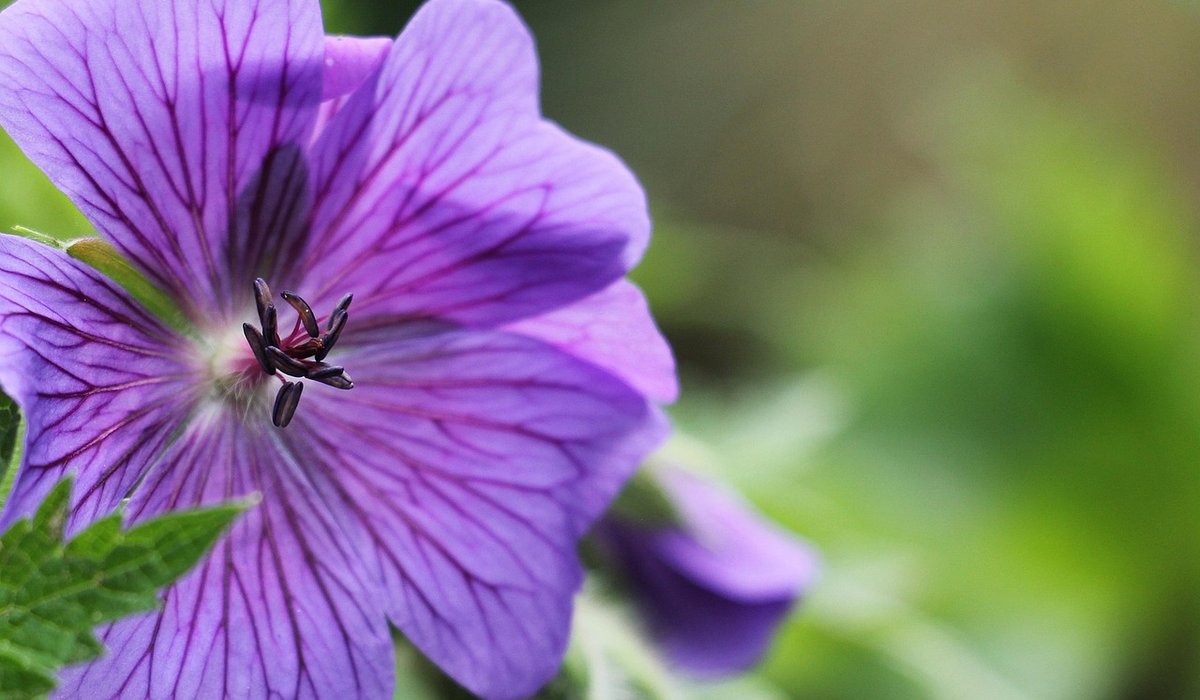
Divide your choices into three loose groups. Early performers include hardy geraniums, Nepeta 'Six Hills Giant' and oriental poppies. Mid-season stalwarts might be salvias, penstemons, Veronicastrum and achilleas. For late summer and into autumn, look to heleniums, Rudbeckia 'Goldsturm', Japanese anemones and asters.
Two practical tricks make a real difference. First, repeat your key plants in three or five places along the border rather than in one clump — this knits the whole scheme together. Second, choose a limited palette of perhaps three flower colours and let foliage provide the variety. A border of purple, lime-green and white will always look more considered than one containing everything.
Autumn: The Season Most Borders Forget
Autumn is where a well-planned border earns its keep, and where most gardens fall flat. The trick is to plant for foliage and seedheads as much as for flowers.
Shrubs come into their own now. Cotinus 'Grace' turns a smoky orange-red, Euonymus alatus goes a startling crimson, and many viburnums colour reliably. Among perennials, ornamental grasses are unbeatable: Miscanthus sinensis and Calamagrostis catch low sunlight and hold their shape well into winter.
Then there are the seedheads. Coneflowers, sedums and honesty all look better left standing than cut down, particularly on a frosty morning. Resist the November tidy-up and you will be rewarded twice over: once with structure, and again with the birds that come to feed on the seed.
Winter: Bark, Berries and Scent
Once the herbaceous growth has collapsed, the evergreen framework takes over and a few carefully chosen plants carry the border through to spring.
- Coloured stems: dogwoods such as Cornus alba 'Sibirica' and willow, cut hard back in March to keep the colour vivid on young growth.
- Bark: birches and snake-bark maples, especially effective when underplanted with snowdrops.
- Scent: winter honeysuckle, Viburnum bodnantense 'Dawn' and Sarcococca confusa, all of which perfume the air on mild days.
- Flower: hellebores, which will seed themselves gently around the border if left undisturbed.
Planting and Aftercare
Prepare the ground properly before anything goes in. Fork over the soil to a spade's depth, work in two or three bucketfuls of well-rotted organic matter per square metre, and check the drainage — most border plants resent sitting in water over winter.
Space perennials according to their final size rather than the pot you bought them in, and water everything thoroughly for its first two growing seasons. After that, an annual mulch in spring and a light feed will keep things moving. Lift and divide congested perennials every three or four years, deadhead selectively to prolong flowering, and leave seedheads standing. Do all of that, and the border will give you something worth looking at in every month of the year.


Leave a reply